
Ooty
Queen of the Nilgiris — where the mist doesn't clear, it just moves.
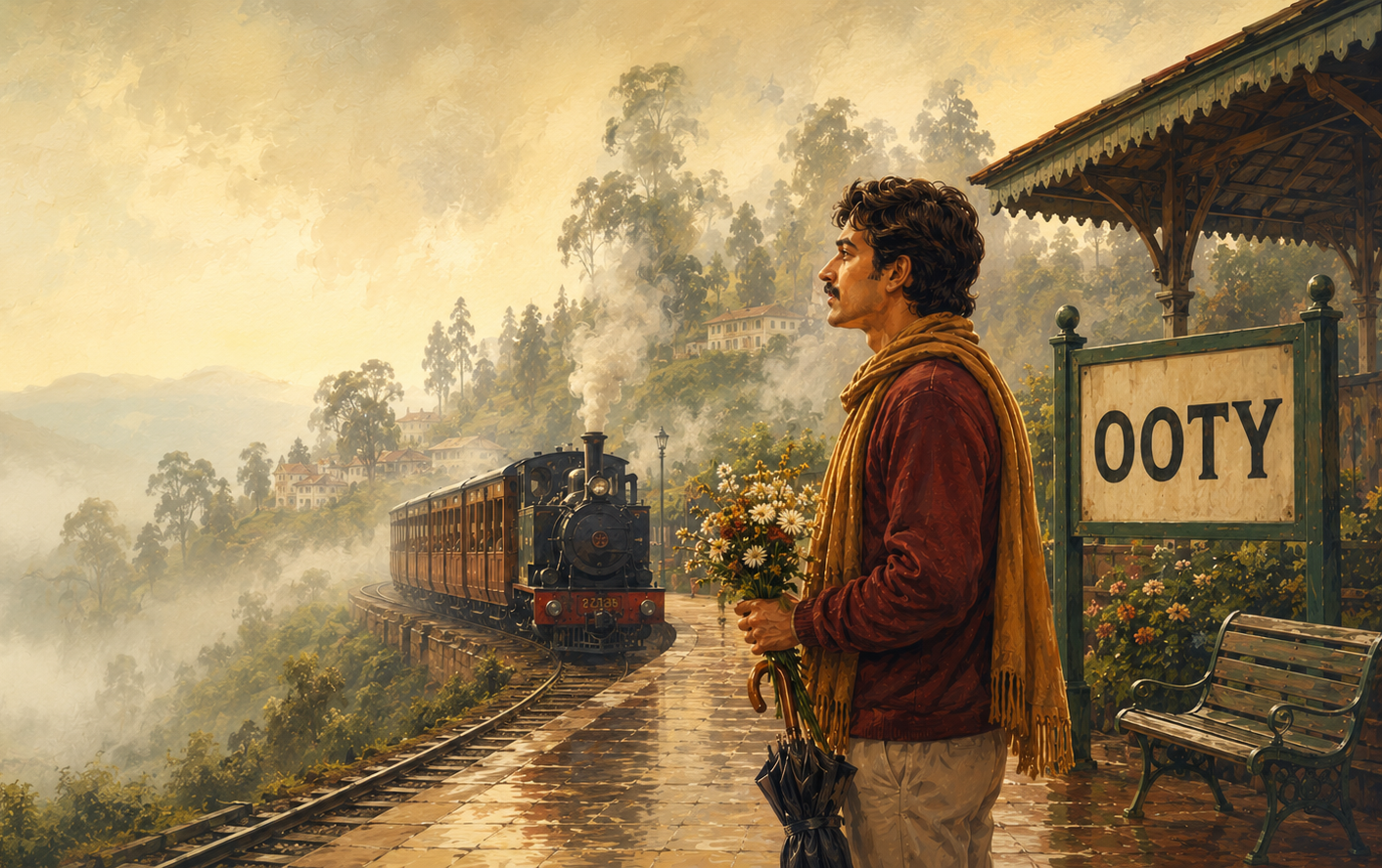
I've been waiting on this platform since the first whistle. If you're not the person I'm expecting… well, welcome anyway.
— Kannan, professional platform-waiter (occupation: hope)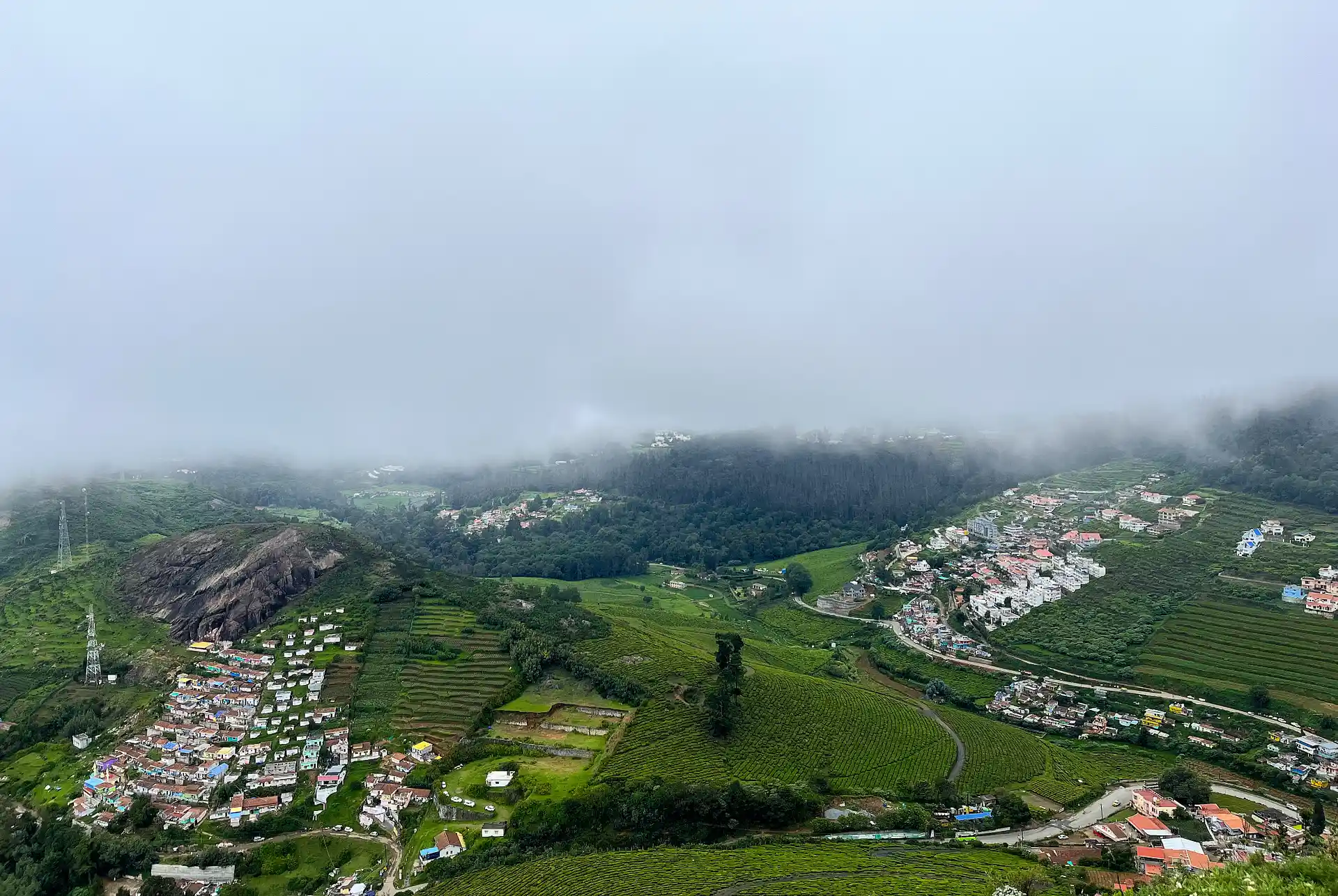 OOTY, TAMIL NADU
What to see
Each stop links to its own detailed guide.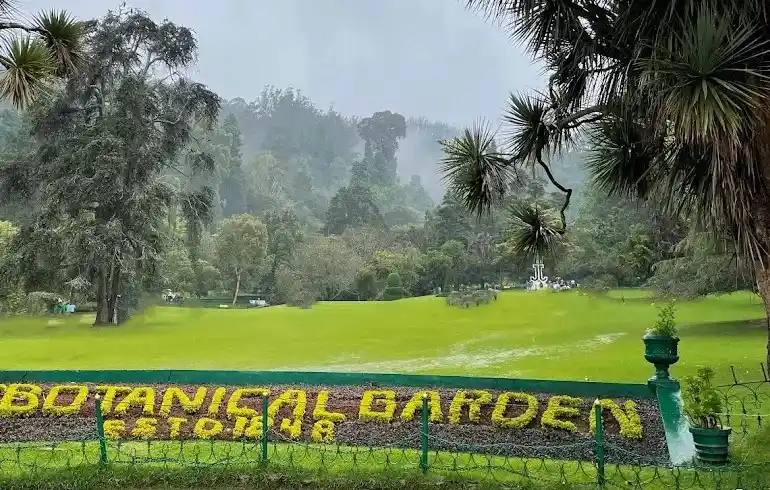 3 km
Government Botanical Garden
144 years old and still arguing with the hillside it's built on.
View Details →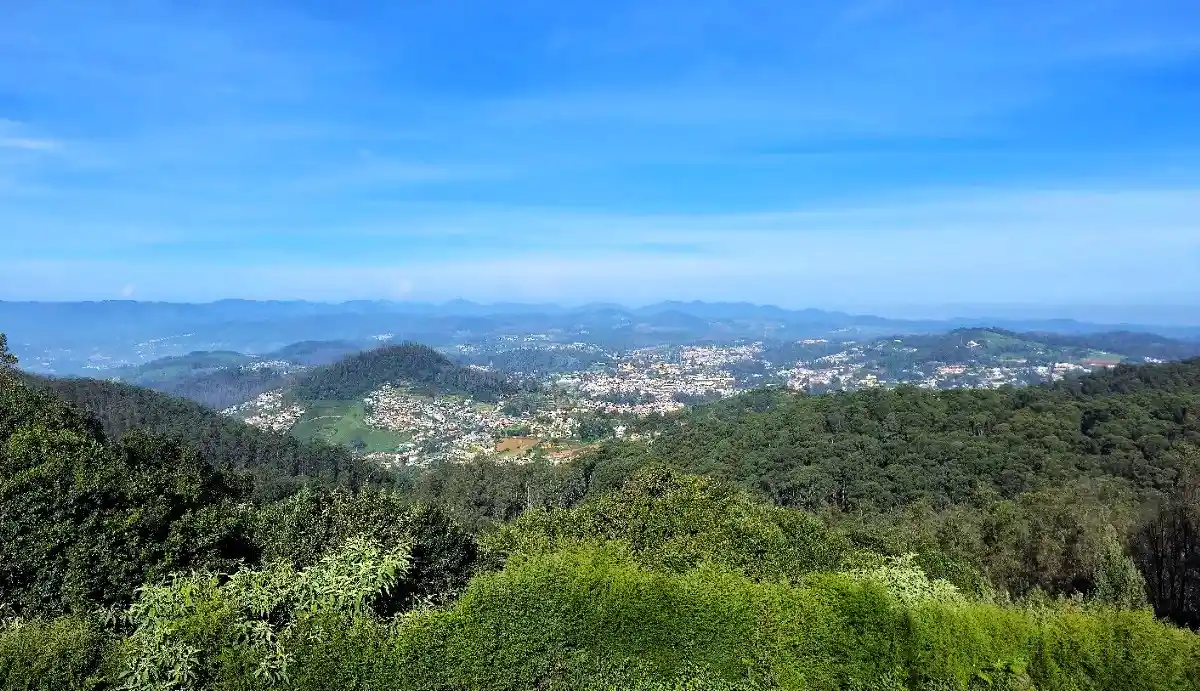 11 km
Doddabetta Peak
Highest point in the Nilgiris — arrive before 9am or the clouds get there first.
View Details →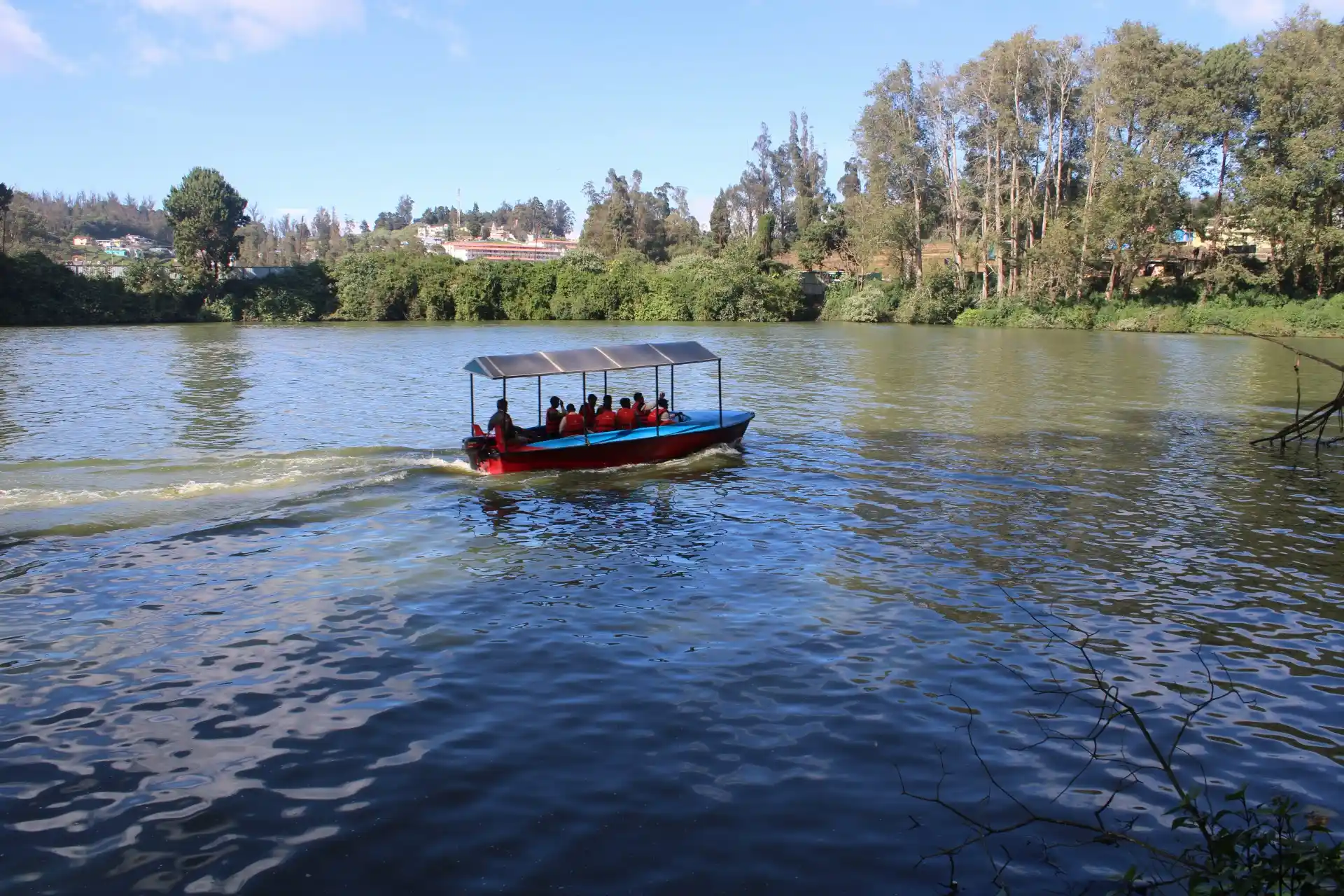 2 km
Ooty Lake
A boat ride at dusk, when the light goes copper over the water.
View Details →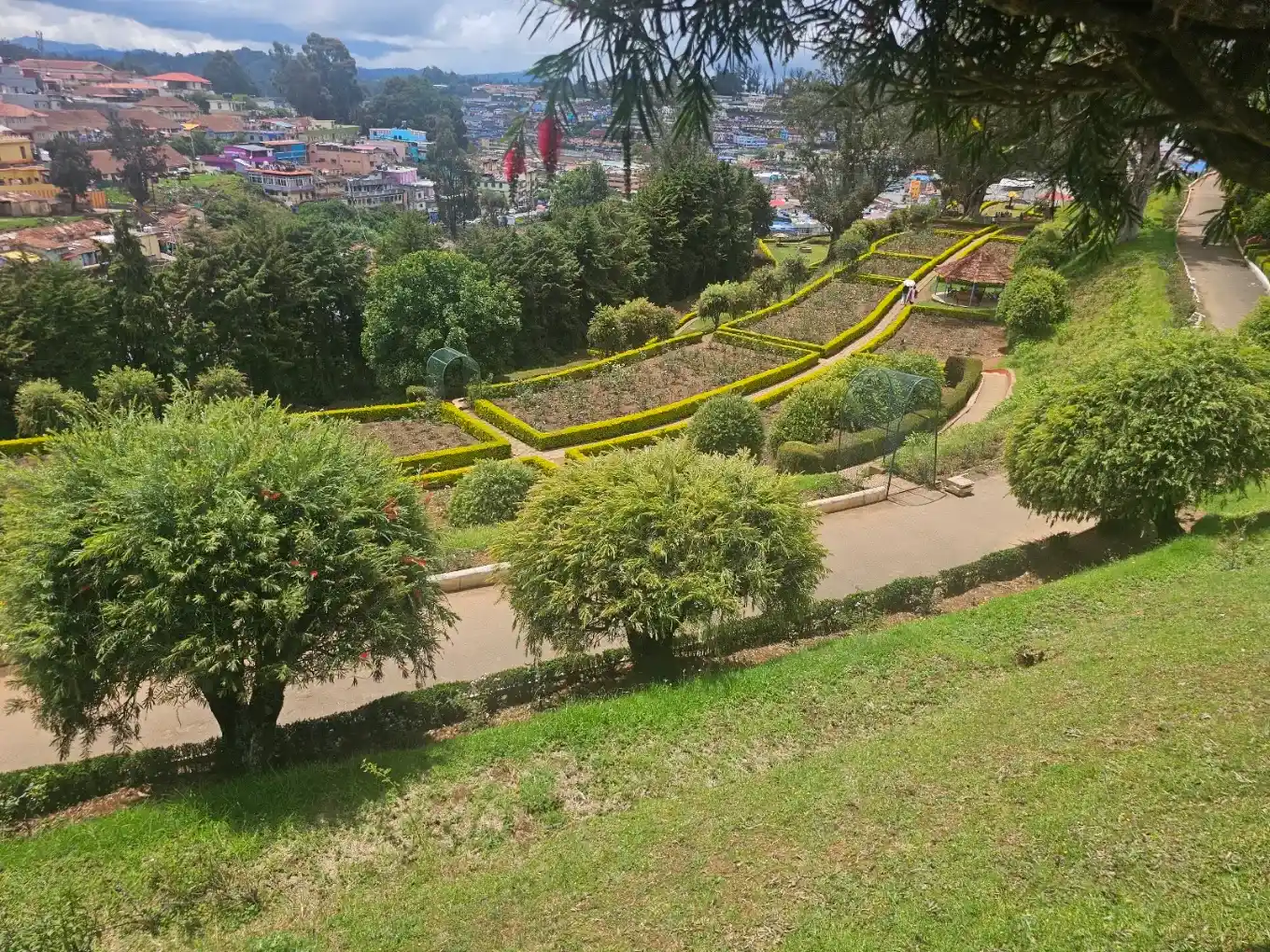 Elk Hill
Government Rose Garden
One of India's largest rose gardens, set on a five-terraced hill slope.
View Details →Most of the main stops cluster within a tight 3-kilometer radius. You can walk them. Or just grab a shared auto. Got one day? Stick to that central cluster. Peak-season traffic will eat your afternoon if you try to drive out. Two days gives you room to push out to the higher viewpoints. Don’t plan by popularity. Plan by distance and time of day.
Where to sleep
 Heritage
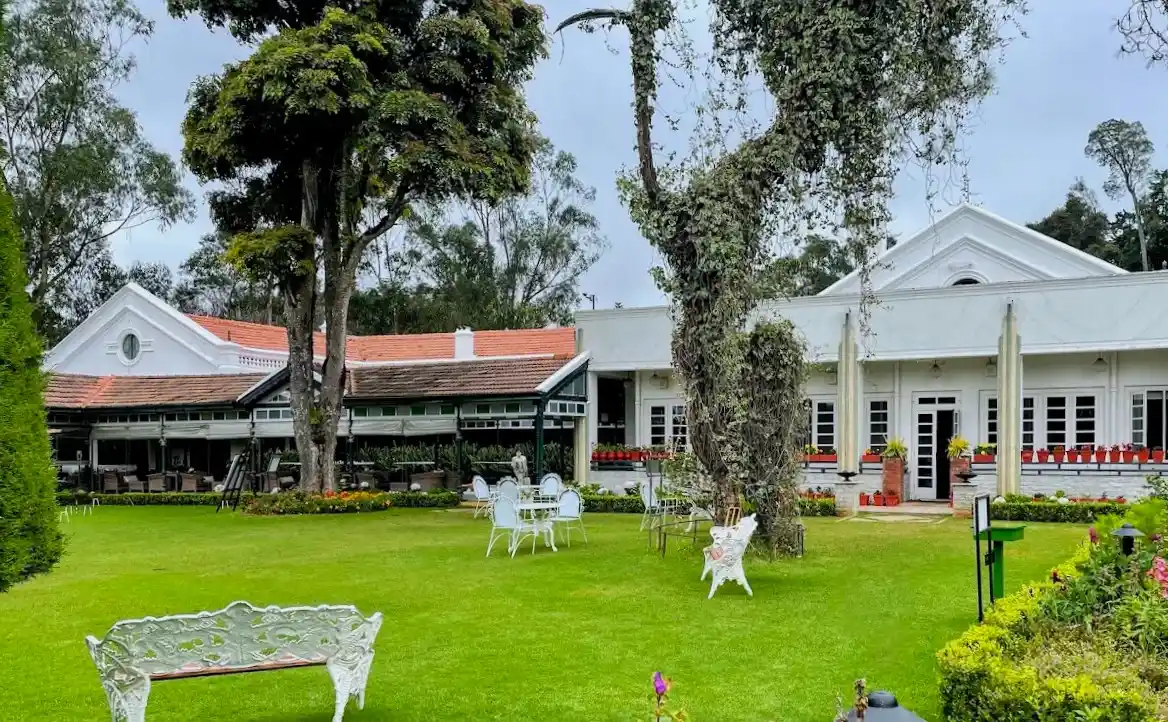
The Savoy Ooty
Colonial-era landmark hotel (1834) with period rooms and evening high tea.
View Details →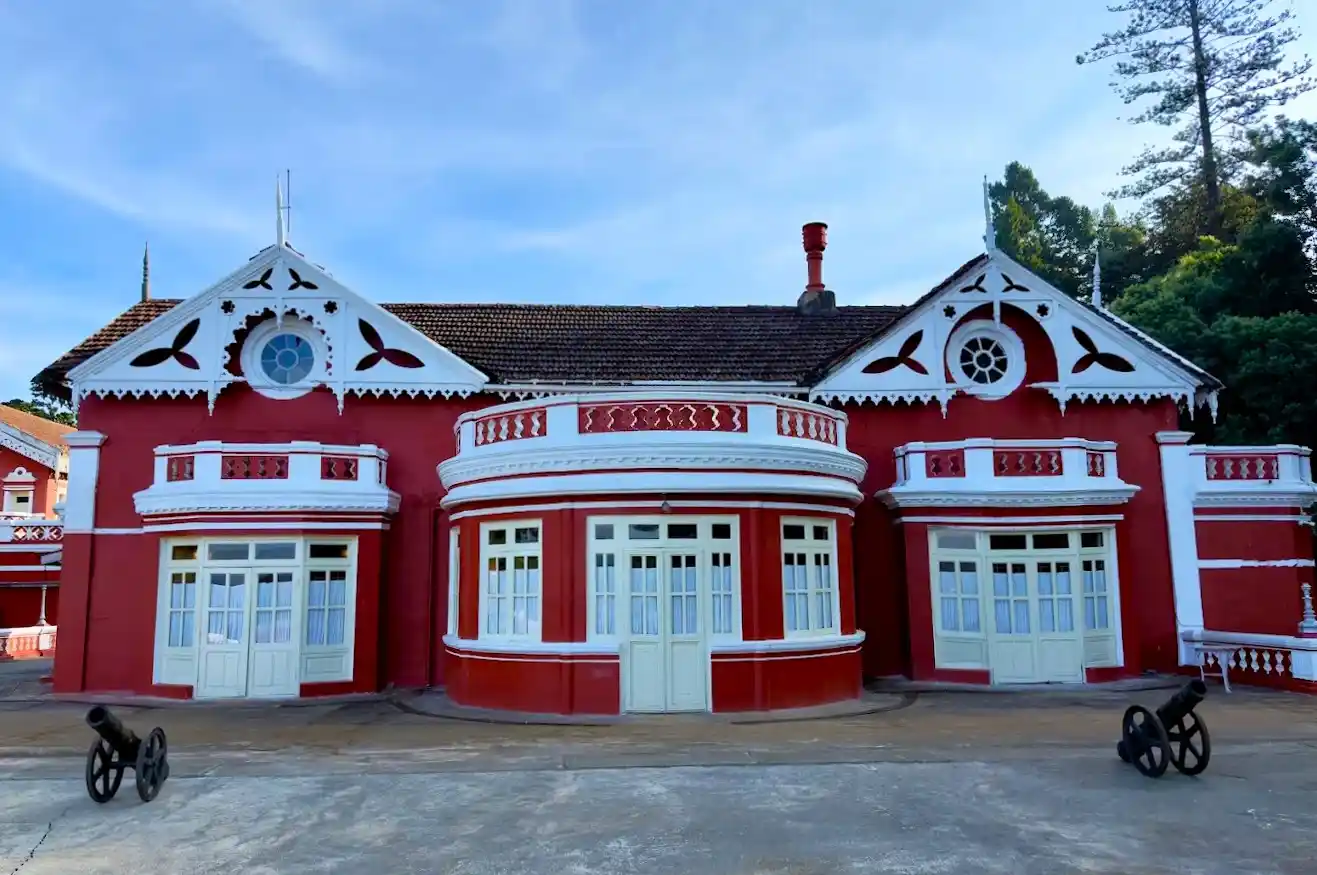 Palace
WelcomHeritage Fernhills
Former Mysore royal palace turned heritage hotel with valley-view lawns.
View Details →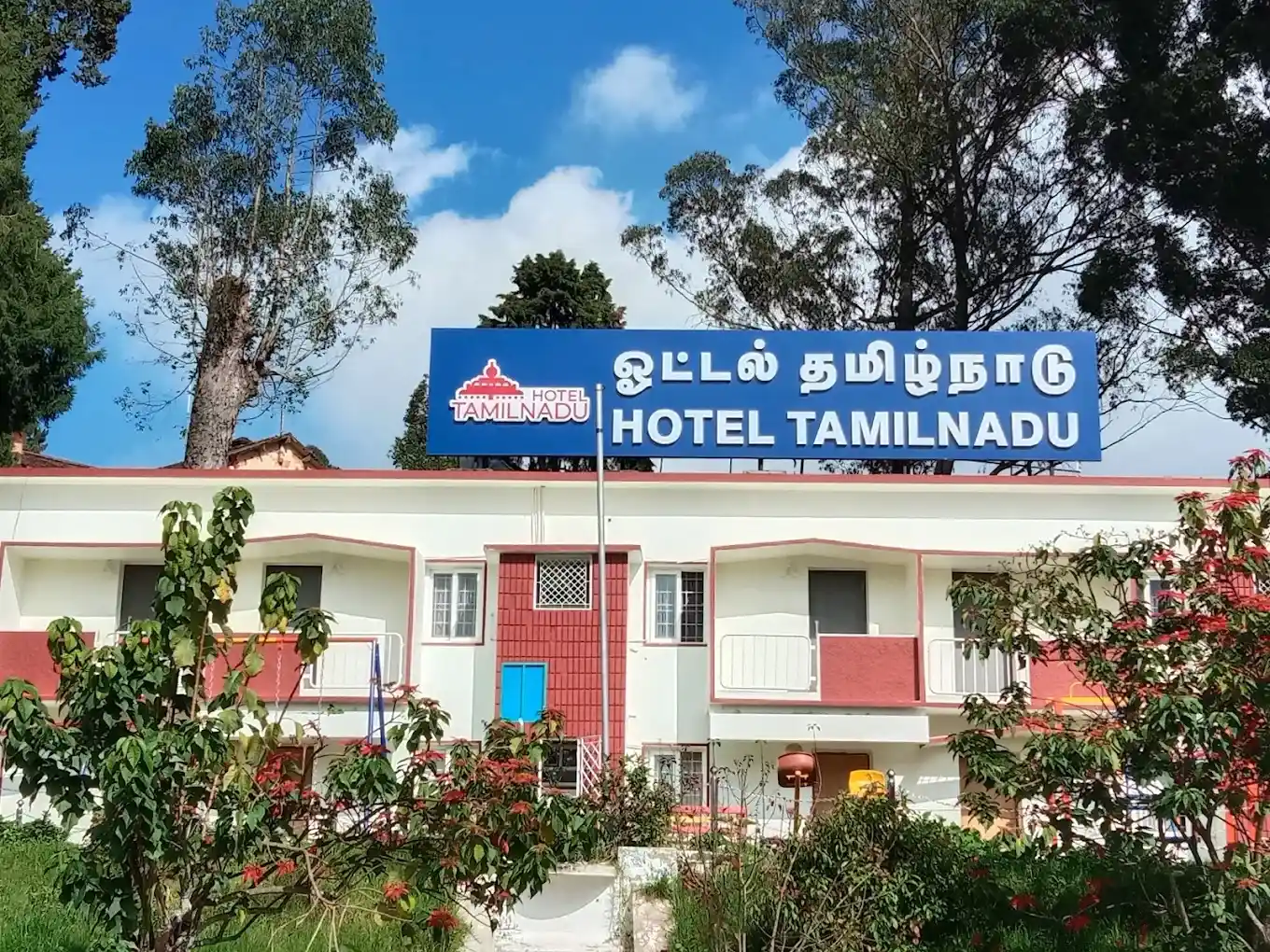 Budget
Hotel Tamil Nadu (TTDC)
State-run TTDC hotel on Ettines Road; reliable budget base near lake and bazaar.
View Details →Picking a hotel here comes down to two things: your transport and your tolerance for noise.
Town center means you can walk to the market. But you’ll hear the traffic.
Lake-side is easy for first-timers. But you pay a tourist premium.
Want quiet and valley views? Head to the outskirts. Just know you’ll need your own car to get anywhere.
Coming for the May Flower Show? Book months ahead. Seriously.
Where to eat
Table by table, the temperature outside stops mattering.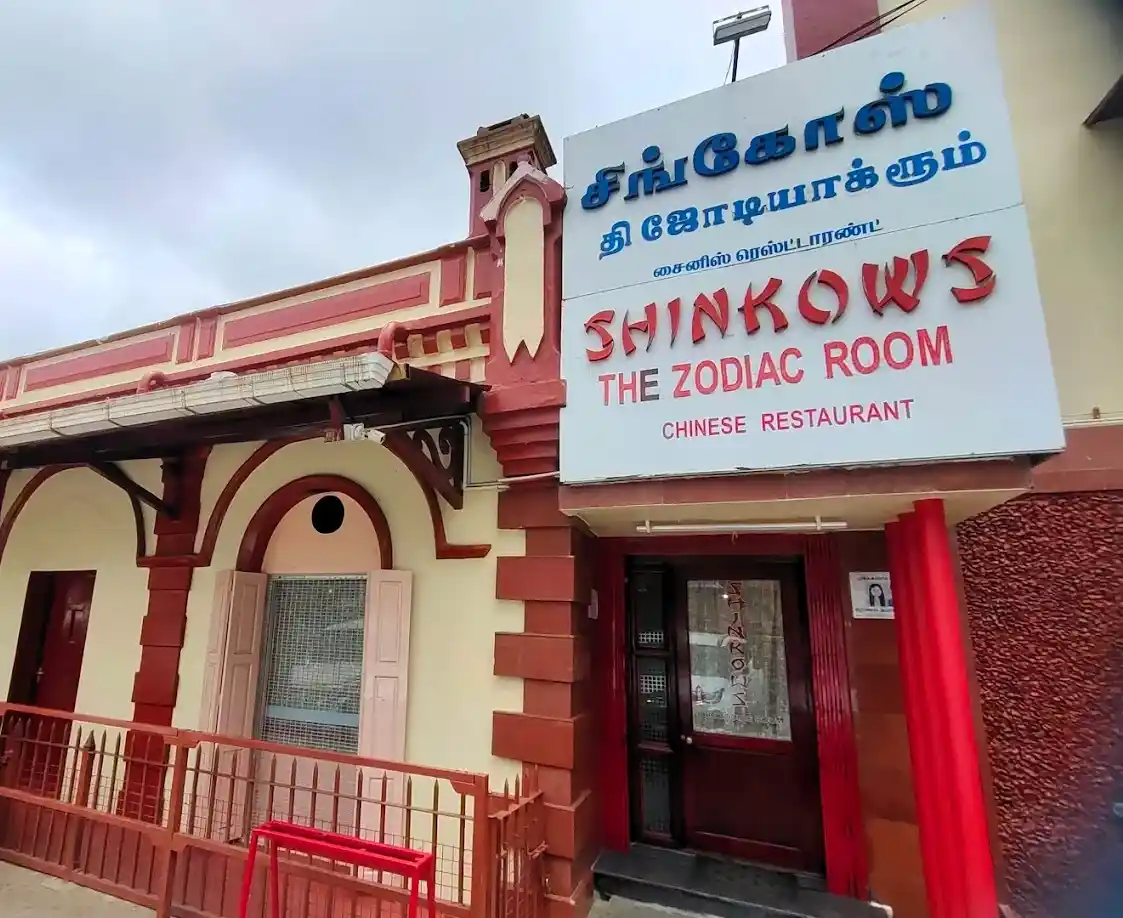 Chinese
Shinkow's Chinese Restaurant
Decades-old Chinese restaurant locals actually rate; portions sell out in season.
View Details →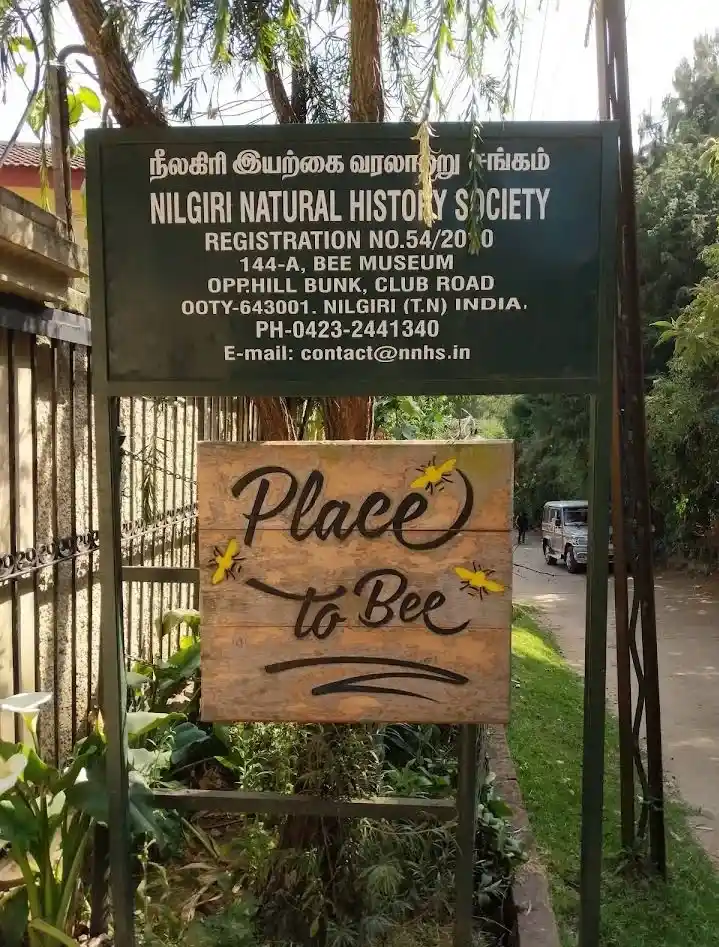 Cafe
Place To Bee
Cafe with a valley-facing deck on the Ketti side; honey and bakes from their own farm.
View Details →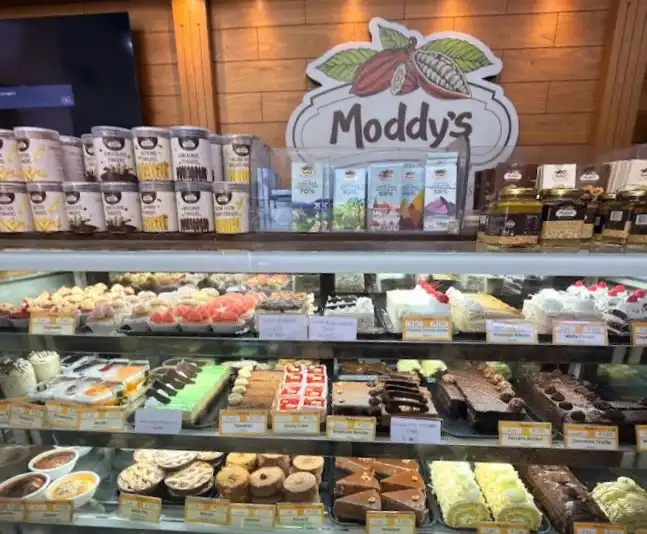 Bakery
Modern Stores & Moddys Chocolates
The benchmark for Ooty chocolates; queue moves fast.
View Details →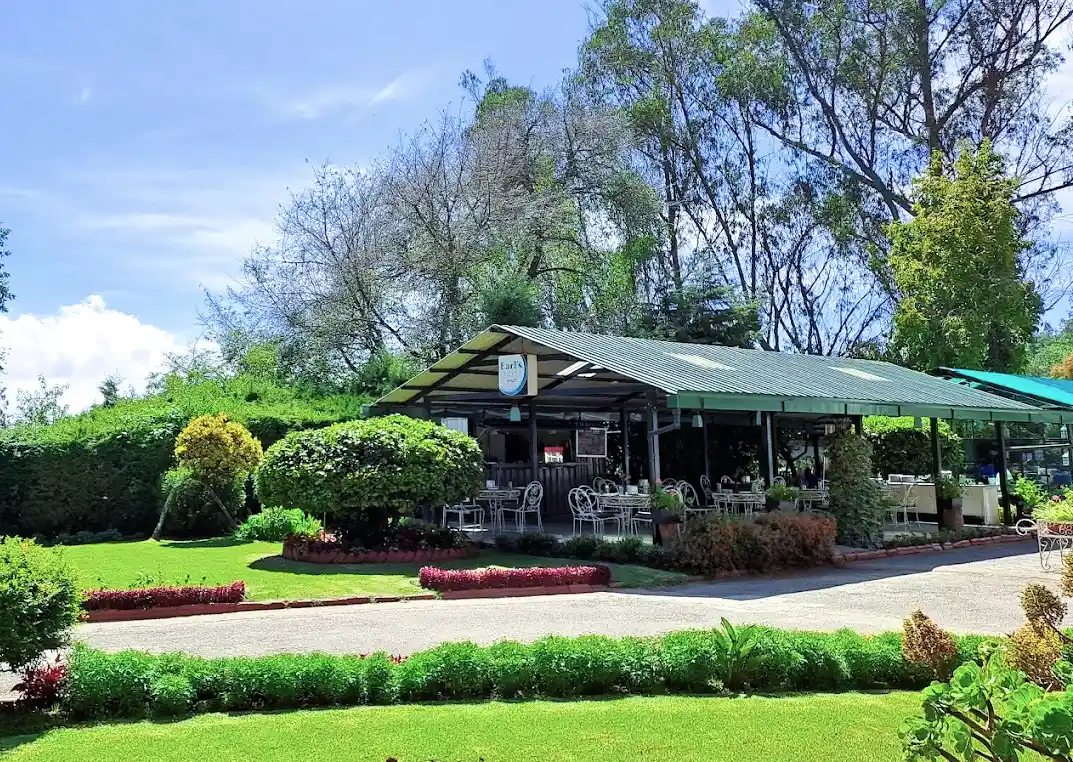 Fine Dining
Earl's Secret
Rooftop restaurant with a valley view; book ahead on weekend evenings.
View Details →Forget elaborate fine dining. The altitude and local tradition dictate the food here. Stick to the basics. Fresh bakery varkey. Strong roadside tea. Slow-cooked local mutton. When you’re buying the famous stuff—chocolate, tea—actually check the source. Estate-direct tea and FSSAI-certified local chocolates are worth the extra cash. The generic tourist-shop versions? They aren’t.
The Complete Picture
Where is Ooty?
Here’s the thing about Ooty. Everyone calls it Ooty, but that’s not its real name. The actual name is Udhagamandalam. Try saying that three times fast. The British couldn’t either, so they called it Ootacamund. Eventually, everyone just gave up and shortened it to Ooty.
The word comes from the Toda language. Not Tamil. Not Malayalam. Toda. The indigenous people who were here first.
And let’s clear up something right now: Ooty is in Tamil Nadu. Nilgiris district. Not Kerala. Not Karnataka. I know, I know: the borders are close. But it’s Tamil Nadu. Get used to it.
Height and Geography
2,240 meters. That’s 7,349 feet if you’re counting in imperial. The town center sits right there. But if you want higher? Doddabetta peak pushes 2,637 meters. About 9 kilometers out. Highest point in the district.
Here’s what nobody tells you: The Nilgiris are part of the Western Ghats, sure. But look at the ground. Laterite and loamy soil. Not the rich black soil you’re thinking of.
Now look up. The ridges have native shola forests. Ancient. Undisturbed. Now look down at the valleys. See those eucalyptus plantations? British planted those for timber. Bad move. Those trees drink groundwater like it’s going out of style. That’s exactly why Ooty runs dry every May.
Coincidence? No. Cause and effect.
Climate Reality
Forget what the tourism board tells you. Here’s what actually happens:
March to June: 15 to 25 degrees. Peak season. The town fills up. Traffic blocks Charing Cross from 9 AM to 9 PM. You think you can just show up and find a room? Wrong. Book two months ahead. Minimum.
November to February: 5 to 15 degrees. Cold. White frost forms on the grass in Ketti Valley and Thalaikundha at 6 AM. And no, it doesn’t snow. Stop asking. The temperature stays above freezing in the town center. Frost, yes. Snow, no.
July to September: Monsoon. Heavy rain. Landslide risk on the Kalhatti Ghat goes up. Mist blocks valley views for days. You came for the views? Too bad. Mother Nature doesn’t care about your Instagram feed.
Water and Traffic
April and May. Water shortages. Every single year. The municipal supply from Pykara and Parsons Valley reservoirs can’t handle the tourist load. Hotels rely on private water tankers. You conserve water during these months. Not a suggestion. A necessity.
Now let’s talk traffic. Charing Cross to the Botanical Garden is 2 kilometers. Two. In peak season, that drive takes 45 minutes. Why? Because the roads were built for horse carts. Not Innova Crystas. Not Swift Dzires. Horse carts.
Here’s what you do: Park your car at your hotel. Take a shared auto for 20 rupees. The drivers know the back routes. You don’t. Let them do their job.
District Rules and Checkposts
Single-use plastic is banned in the Nilgiris district. Total ban. Not a suggestion. Not a guideline. A strict district law.
Officers at the Burliar checkpost (Coonoor Ghat) and the Kalhatti checkpost will search your vehicle. They will confiscate plastic bags and disposable bottles. They will issue fines on the spot. No warnings. No second chances.
Strip the plastic packaging from your groceries before you reach the foothills. Carry steel or copper water bottles. This isn’t 2010. Adapt.
The Flower Show and Markets
Every May, the Ooty Flower Show takes over the 55-acre Government Botanical Garden. Three to four days. Traffic backs up all the way to the lake road. You arrive before 8 AM to beat the queue. The garden opens at 7 AM. Be there.
The Ooty Municipal Market opens early. Vegetable sellers pack up by afternoon. You go before 10 AM for fresh produce. After that? You get leftovers.
The Tibetan Market sits on Commercial Road. Most goods are imported. Tourist traps? Some of them. But there’s treasure if you know where to look.
Here’s the chocolate rule: Look for an FSSAI number on the label. No FSSAI number? Walk away. You pay 400 to 800 rupees per kilogram for genuine local product. Anything cheaper is fake. Anything more expensive is a tourist tax.
Tea? Buy directly from estate shops. Ask which garden the leaf came from. If they can’t answer, they’re resellers. Move on.
History and People
But here’s what the history books skip: The Toda, Badaga, and Kota communities lived here long before the British arrived. Long before Sullivan. The Toda built half-barrel-shaped huts called munds. The Badaga farmed the terraced slopes. These communities still live here. Still farming. Still building munds. Still here.
Ask permission before photographing people. Stay on marked paths in tea estates. You’re a guest. Act like one.
Contacts
Need help? Here is the reality of local contacts.
For any emergency in India, dial 112. It routes directly to police, fire, and medical services.
For local specifics—the nearest open pharmacy, a trusted mechanic, or Forest Department trekking permits—ask your hotel reception. They have the current, verified numbers for the area.
We don’t list static phone numbers on this page. They change. They go out of service. They lead to dead ends.
If you are driving the ghats, save the local traffic control number for your specific route before you lose mobile signal. Don’t rely on hope and a single bar of network.
Ooty Town Central Police Station
0423-2223808Government Headquarters Hospital, Ooty
0423-2442712Ooty Fire and Rescue Station
0423-2442999